
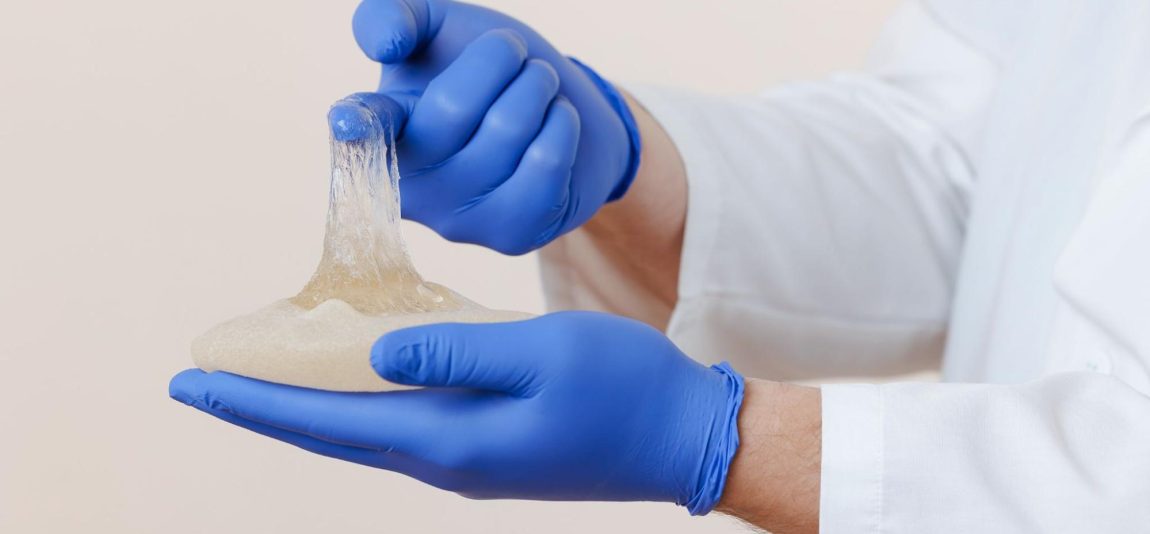
Breast implant rupture can be worrying, especially when you have invested time, emotion and trust into your breast implant surgery. As a dual-qualified Consultant Breast & Oncoplastic Surgeon and BAAPS member, I meet many women who arrive in the clinic feeling anxious, frustrated, or simply unsure about what is happening to their breasts. This guide is designed to give you clarity, support and a sound understanding of what to do next, delivered with the same patient-centred approach you will find throughout my practice.
Breast implant rupture is a recognised complication of both silicone and saline implants. While unsettling, it is highly manageable with appropriate assessment and treatment. If you are experiencing changes in your breasts, this guide will help you understand what implant rupture is, why it happens, and the steps you can take to feel confident and supported moving forward.
Key Takeaway:
- Breast implant rupture is a common reason women seek implant removal or implant exchange.
- Silicone ruptures are often “silent” and require imaging for diagnosis, whereas saline ruptures are usually more obvious.
- Surgery is the definitive treatment, with implant removal or replacement restoring breast shape, comfort and symmetry in most cases.
- UK private revision surgery typically ranges from £5,500 to £14,000, depending on whether implant replacement, capsulectomy or fat grafting is required. Always confirm whether your quote includes hospital, surgeon and anaesthetist’s fees, implants and follow-up care.
- Most patients return to light activities within two weeks, with full recovery taking around three months.
- Suitable candidates include women experiencing changes in breast shape, swelling, discomfort or confirmed rupture on imaging.
- Choose a GMC-registered surgeon with BAAPS or BAPRAS membership and extensive experience in implant revision surgery.
Understanding Breast Implant Rupture
Breast implant rupture occurs when the implant’s outer shell breaks or tears. The way a rupture presents depends on the type of implant:
- Saline implants deflate quickly, causing a noticeable change in breast size and shape.
- Silicone implants often rupture silently, with the silicone gel remaining within the capsule. This means symptoms can be subtle or even absent.
Rupture can happen due to natural ageing of the implant, trauma, capsular contracture, or implant weakness.
Importantly, implant rupture is not your fault. It is a mechanical issue related to the implant itself, not a reflection of anything you have done wrong.
Common Symptoms of Breast Implant Rupture
When silicone escapes from a ruptured implant, the surrounding tissues may react to the gel. This may lead to inflammation or additional scar tissue around the implant. As a result, some women may experience changes in the breast, such as:
- A sudden or gradual change in breast size
- Softening or hardening of the breast
- Swelling or discomfort
- Changes in breast shape or contour
- A “sloshy” sensation (saline implants)
- Firmness or distortion (silicone implants)
- Tenderness or inflammation
- Axillary fullness if silicone has migrated into lymph nodes
Some silicone ruptures cause no symptoms at all. This is why a regular breast implant check-up is recommended.
What Should I Do If I Think My Implant Has Ruptured?
1. Book a Specialist Assessment
The first step is a breast implant check-up with a breast surgeon experienced in implant-related complications. A specialist assessment provides clarity, reassurance, and a clear plan for what to do next.
If you are concerned about changes in your breasts, you can arrange a breast implant check-up directly through my clinic.
2. Imaging May Be Recommended
Ultrasound or MRI can help assess the implant shell, capsule, and surrounding tissues. MRI remains the most accurate test for detecting silicone rupture.
3. Understand Your Treatment Options
Treatment depends on the type of implant and whether symptoms are present:
- Saline rupture always requires implant removal or replacement.
- Silicone rupture should be treated even if silent, as silicone can migrate outside the capsule over time.
Surgical Options for Breast Implant Rupture
Surgery is the definitive treatment. Options include:
- Implant removal — removing the ruptured implant entirely.
- Implant replacement — placing a new implant, often with updated sizing or shape.
- Capsulectomy — removing the surrounding capsule if silicone has leaked or if the capsule is thickened.
- Breast uplift (mastopexy) — reshaping the breast if implants are removed and a natural, lifted contour is desired.
- Breast Fat Transfer — used alone or alongside implant removal or replacement to improve softness, contour and upper-pole volume.
Your treatment plan should be tailored to your goals, anatomy and lifestyle.
Can Breast Implant Rupture Be Prevented?
While no implant lasts forever, modern implants are highly durable. Preventative strategies include:
- Choosing high-quality implants
- Avoiding trauma to the chest
- Regular implant checks
- Timely treatment of capsular contracture
- Avoiding nicotine-based products, which impair tissue healing and may increase the risk of implant-related complications
If you are considering revision surgery, you can incorporate these approaches into your plan.
When to Seek Help
If you notice changes in breast size, shape, softness, or comfort, don’t wait. Early assessment can prevent symptoms from worsening and help you make informed decisions.
You can also explore related topics on my website, including breast implant removal, breast implant revision, and capsular contracture.
Concerned About Your Implants? Book an Assessment
Breast implant rupture can feel overwhelming, but you are not alone. With careful assessment and a bespoke treatment plan, most women achieve excellent outcomes and regain comfort and confidence. If you have any concerns about your implants, please feel free to get in touch. You can also learn more about my approach to breast implant care at Dr Victoria Teoh. I am always happy to answer your questions and help you explore your options.